PCOS Period Pain and Hormone Tests: What Every Woman Must Know
Ease PCOS Period Pain & Balance Hormones Naturally
Living with PCOS (Polycystic Ovary Syndrome) often means navigating more than irregular cycles. For many women, period pain becomes a monthly struggle that disrupts daily life, while hormonal imbalance creates confusion and frustration.
One of the biggest questions women ask is: Why is period pain worse with PCOS? And equally important: Which hormone tests are necessary to confirm PCOS?
This blog breaks down the connection between PCOS and painful periods, explains essential hormone tests, and offers natural ways to manage symptoms — blending medical insight with yoga and lifestyle solutions.
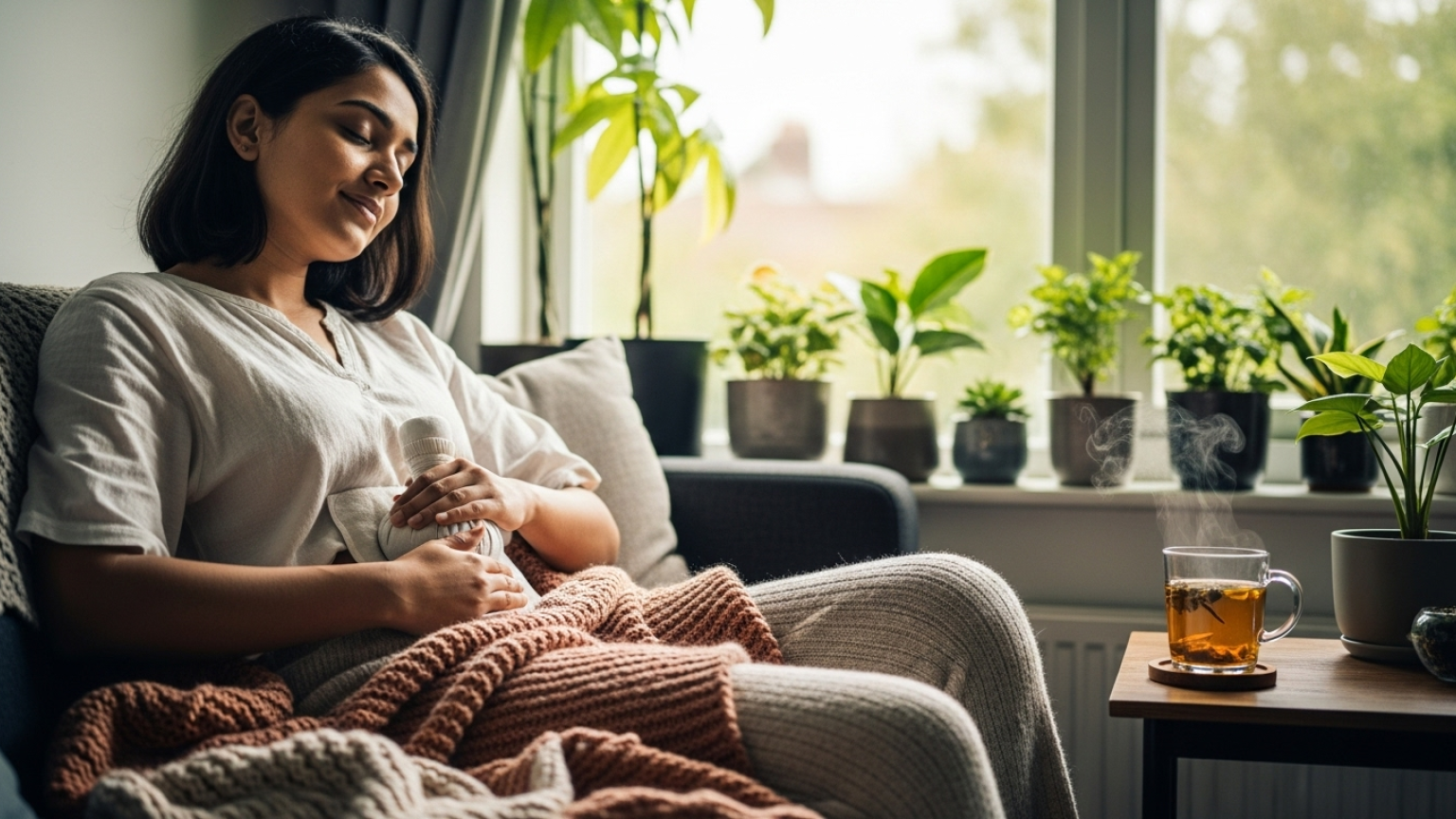
PCOS is a hormonal disorder where ovulation is often irregular. This affects the menstrual cycle in several ways:
Symptoms of PCOS-related period pain often include:
✨ As Radhika Bargava emphasizes: “Period pain in PCOS is not just physical — it reflects deeper hormonal imbalances. Healing requires balancing the body, not just treating the pain.”
Doctors diagnose PCOS based on symptoms, ultrasound, and blood tests. Hormone tests play a crucial role in confirming imbalances.
LH (Luteinizing Hormone) and FSH (Follicle Stimulating Hormone):
High LH to FSH ratio is common in PCOS.
Testosterone (Total and Free):
Elevated levels cause acne, hair growth, and irregular cycles.
AMH (Anti-Müllerian Hormone):
Higher levels may indicate multiple ovarian follicles.
Prolactin:
Checked to rule out other causes of irregular cycles.
Thyroid Panel (TSH, T3, T4):
Thyroid disorders often overlap with PCOS symptoms.
Fasting Insulin and Glucose:
Indicates insulin resistance, a core factor in PCOS.
Lipid Profile:
Assesses cholesterol levels since PCOS increases heart risk.
👉 Not every woman needs all these tests. Doctors choose based on symptoms and history.
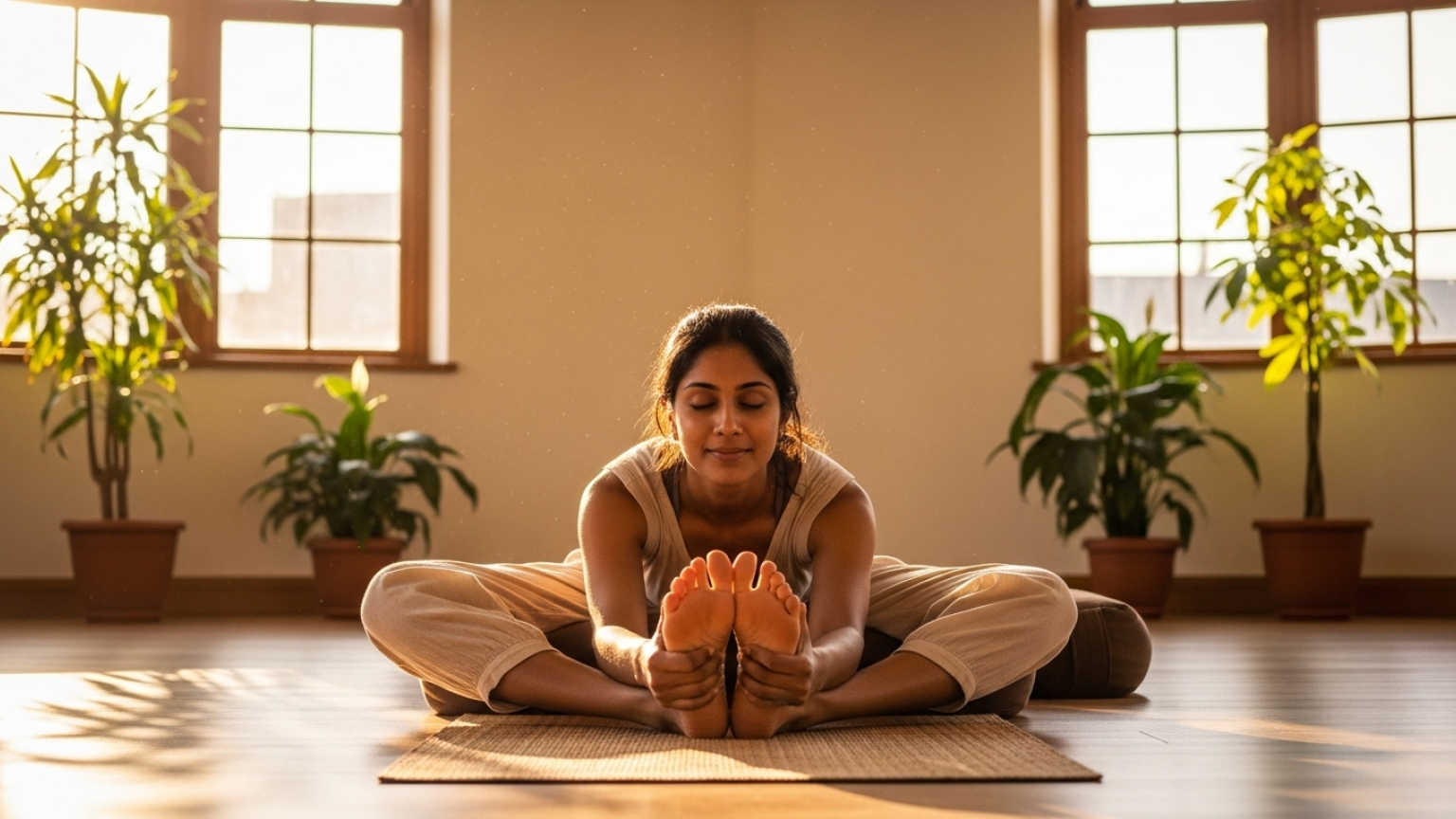
Yoga improves circulation, reduces stress, and balances hormones — making periods less painful.
Recommended Asanas:
Pranayama:
✨ Women in Trimuk Yoga’s PCOS programs often share that after 2–3 months of yoga and nutrition changes, their period pain reduced significantly, cycles became more predictable, and hormone test results improved.
Period pain in PCOS is not something to endure silently. It is a signal from the body that hormones are out of balance. Hormone tests provide clarity, while natural methods like yoga, mindful nutrition, and stress care bring lasting relief.
Healing with PCOS isn’t just about reducing pain — it’s about creating balance for long-term reproductive and overall health.
Ease PCOS period pain and restore hormonal health naturally.
👉 Join Trimuk Yoga’s PCOS wellness programs with Radhika Bargava, blending yoga, breathwork, and nutrition for long-term relief.
✨ Relief begins with balance — and balance begins with one breath.

1. Is severe period pain always due to PCOS?
Not always. Endometriosis and other conditions can also cause pain. Consult a doctor for accurate diagnosis.
2. Do hormonal pills cure PCOS period pain?
They may offer temporary relief but do not address root hormonal imbalance.
3. Can yoga completely stop period pain?
Yoga reduces intensity and frequency of pain, especially when combined with diet and lifestyle care.
4. How often should hormone tests be repeated?
Usually every 6–12 months, or as guided by your doctor.

Yoga Trainer
A renowned and qualified yoga instructor with years of experience in teaching traditional Hatha Flow and Ashtanga Vinyasa Yoga, Radhika is passionate about sharing the true essence of yoga with her students. Being a certified yoga teacher and health & nutrition coach, Radhika demonstrates a deep understanding of mind-body connection which is reflected in her tailored classes.
Get personalized care. Consult specialists about your concerns and treatments.
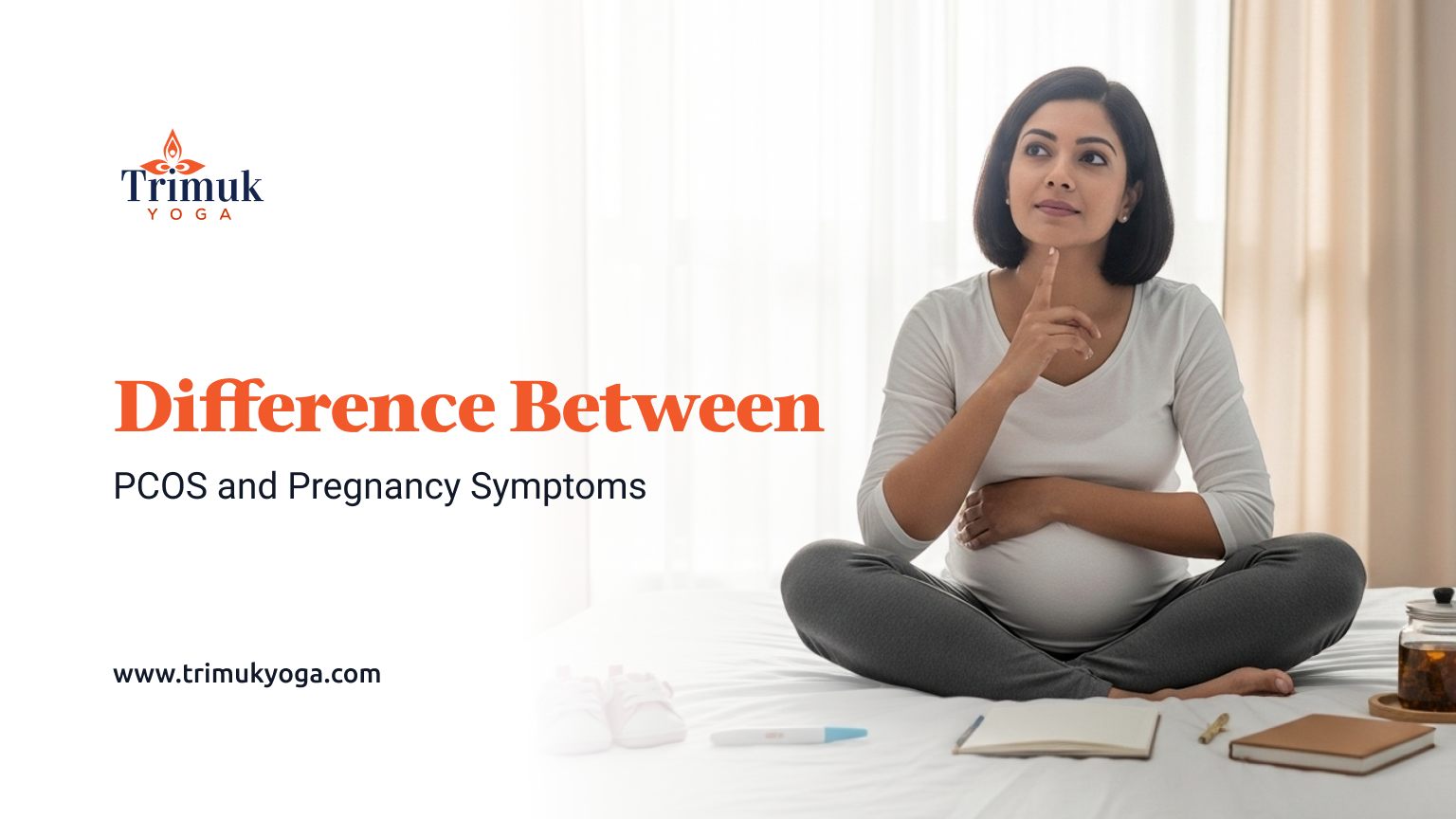
PCOS or Pregnancy? Learn the Key Differences & Natural Cycle Tips
Radhika Bargava
Oct 13, 2025
3 min read
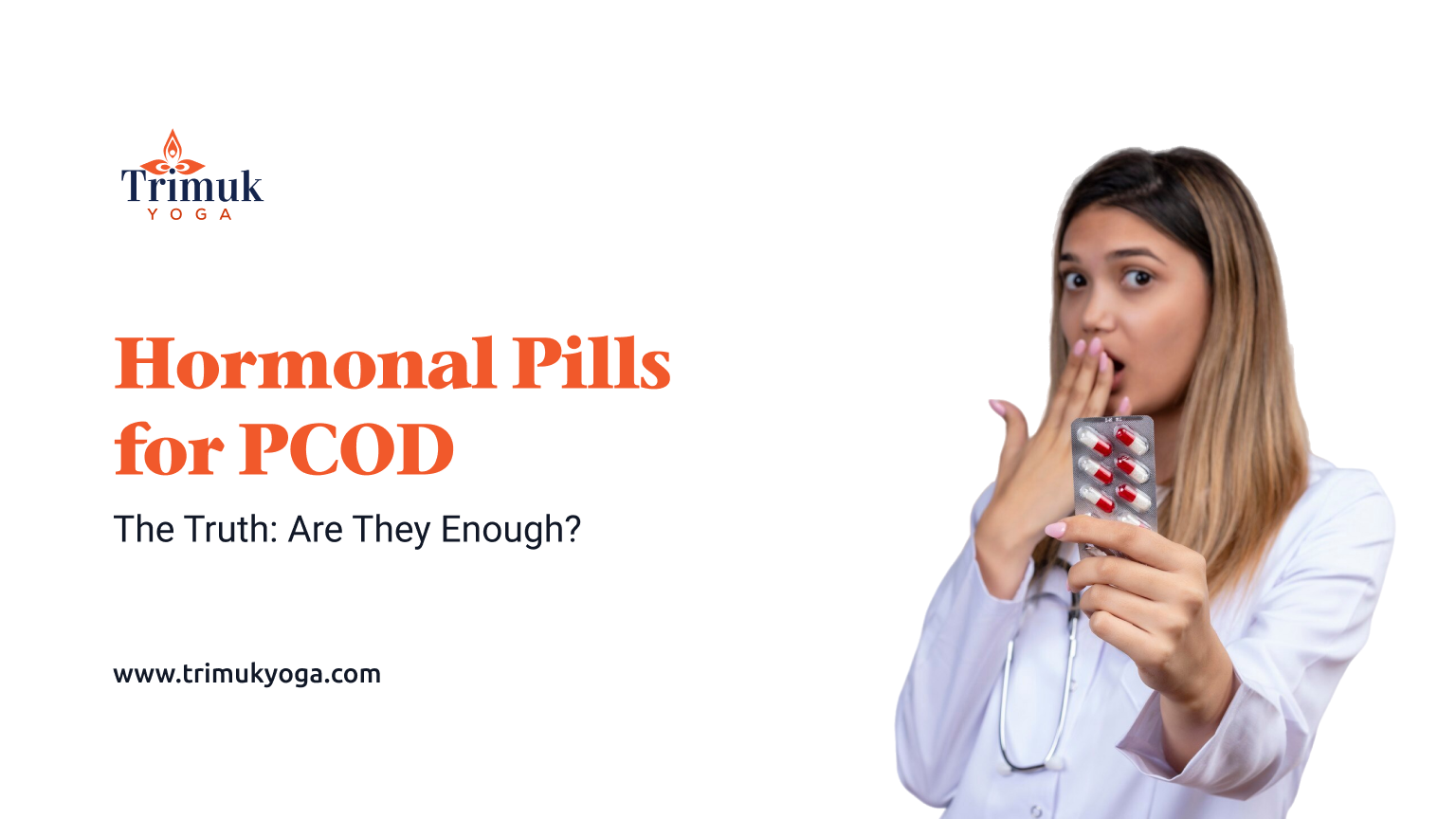
Are Hormonal Pills Enough for PCOD—Or Just a Temporary Fix?
Radhika Bargava
Sep 19, 2025
5 min read
Fast & Natural Yoga Solutions for Teenage Girls to Manage PCOD, Balance Hormones & Boost Confidence
Radhika Bargava
May 16, 2025
5 min read
Recognize PCOS Side Effects Early—And Take Back Control Naturally
Radhika Bargava
Jul 14, 2025
7 min read
Stop Guessing. Start Moving. Boost Ovulation Naturally—Now.
Radhika Bargava
Jun 20, 2025
5 min read
A safe, nurturing prenatal yoga space for expecting mothers in Bengaluru.
Radhika Bargava
Dec 17, 2025
4 min read
Power Foods, Quick Fixes & Hormone-Friendly Swaps You Can Start Today!
Radhika Bargava
May 19, 2025
6 min read
Quick & Effective Yoga Poses to Ease Shoulder Tension and Rebalance Your Day
Radhika Bargava
Apr 18, 2025
4 min read
Boost Focus, Energy & Calm with a 20-Minute Morning Yoga Flow
Radhika Bargava
Sep 23, 2025
3 min read
A Trimuk Yoga Guide to a Healthier, Happier Pregnancy
Radhika Bargava
Dec 10, 2025
4 min read
Flexible online and offline yoga classes designed to fit every lifestyle and routine.
Radhika Bargava
Nov 14, 2025
4 min read

Breathe Easier with Simple Yoga Poses for Asthma Relief
Radhika Bargava
Sep 17, 2025
5 min read
Why PCOD Impacts Emotions—And How Yoga Restores Balance
Radhika Bargava
Aug 11, 2025
5 min read
Improve Core Strength & Pelvic Health with Simple Yoga Techniques
Radhika Bargava
Apr 14, 2025
5 min read
Gentle Yoga Practices to Restore Hormonal Harmony & Enhance Women's Well-being
Radhika Bargava
Apr 07, 2025
5 min read
Prevent Diabetes, Heart Disease & Infertility Risks of PCOD with Yoga
Radhika Bargava
Sep 26, 2025
5 min read
Safe & Gentle Yoga Practices to Support a Healthy Pregnancy Journey
Radhika Bargava
Mar 26, 2025
5 min read
Balance Hormones & Ease PCOD Naturally with a Morning Yoga Flow
Radhika Bargava
Sep 15, 2025
5 min read
Why PCOS Triggers Hair Loss—And How to Regrow It Naturally
Radhika Bargava
Jul 21, 2025
5 min read
Avoid Hormone-Draining Workouts & Find Smarter PCOS Exercise Alternatives
Radhika Bargava
Nov 05, 2025
5 min read
A Yoga Routine to Burn Belly Fat, Balance Hormones & Boost Fertility Naturally
Radhika Bargava
Aug 22, 2025
5 min read
Why PCOD Affects 1 in 5 Indian Women—And How to Heal Naturally
Radhika Bargava
Aug 15, 2025
4 min read
Understand the Key Differences Between PCOD & PCOS—And Take Control Naturally
Radhika Bargava
Jul 18, 2025
4 min read
How PCOD Raises Heart Risks and Natural Ways to Protect Yourself
Radhika Bargava
Sep 22, 2025
7 min read
Reverse PCOD Symptoms Fast - Naturally, Safely, and Without Medication
Radhika Bargava
Jul 25, 2025
5 min read
A Trimuk Yoga Prenatal Guide for a Confident, Calm & Natural Birth
Radhika Bargava
Dec 15, 2025
5 min read
Can You Get Pregnant with PCOD? Yes—Here’s How Yoga, Breath & Nutrition Make It Possible
Radhika Bargava
Jun 16, 2025
7 min read
Heal Ovarian Cysts Naturally with Yoga, Diet & Hormone Balance
Radhika Bargava
Oct 10, 2025
4 min read
What You Can Do to Get Your Calm and Clarity Back—Naturally
Radhika Bargava
May 23, 2025
5 min read
Lose Weight & Balance Hormones Naturally with a PCOS-Friendly Diet
Radhika Bargava
Oct 06, 2025
5 min read
Pills Mask Symptoms. Yoga Heals PCOD from the Root.
Radhika Bargava
Aug 18, 2025
5 min read