10 Common Thyroid Symptoms in Women (And How Yoga Supports Healing Naturally)
Spot Thyroid Symptoms Early—And Support Healing Naturally with Yoga

Do you feel exhausted even after a full night's sleep? Gaining weight without any clear reason? Struggling with mood swings that seem out of your control? If yes, your thyroid might be trying to tell you something. While thyroid conditions are incredibly common among women, their symptoms often go unnoticed or misunderstood. What’s worse—many women are told their labs are “normal” while they continue to suffer in silence.
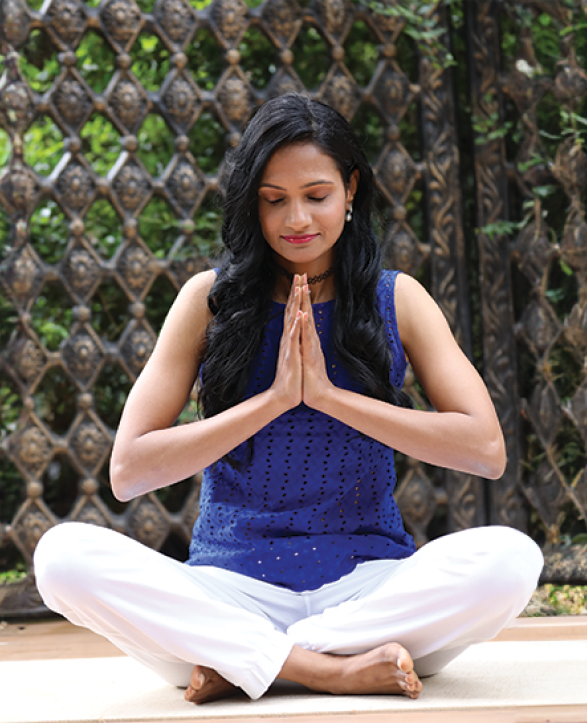
Hi, I’m Radhika Bargava—India Excellence Award 2024 winner, certified yoga instructor, and health & nutrition coach. Over the years, I’ve guided countless women back to balance using yoga as a deeply healing tool—not just for the body, but for the endocrine system, emotions, and mind. Today, let’s talk about 10 common thyroid symptoms in women and how yoga can help you heal, gently and naturally.
The thyroid is a small butterfly-shaped gland in your neck—but don’t be fooled by its size. It plays a massive role in regulating metabolism, mood, energy, menstrual health, and even skin and hair quality.
There are two main types of thyroid imbalance:
Women are up to eight times more likely to suffer from thyroid imbalances than men, especially during key life transitions—puberty, pregnancy, postpartum, and menopause.
The emotional and physical symptoms can feel overwhelming. But the good news? Yoga offers a gentle, holistic way to support your thyroid and reclaim your vitality.

Even after hours of sleep, you feel drained.
You eat mindfully, but the scale keeps climbing—or dropping too fast.
Your emotions are a rollercoaster, and it’s affecting your relationships.
Your hairbrush has more strands than usual.
You feel dull and dehydrated no matter how much water you drink.
You can’t focus, forget things easily, and feel mentally "off."
Even in warm weather, you feel cold.
Your cycle is out of sync, and it’s causing emotional stress.
You’re not sad—you just feel "nothing."
You’re tired but can’t fall—or stay—asleep.

This practice is designed to energize in the morning or calm the system at night:
Radhika’s Wisdom: “Listen to your energy. Modify when needed. It’s not about intensity—it’s about intention.”
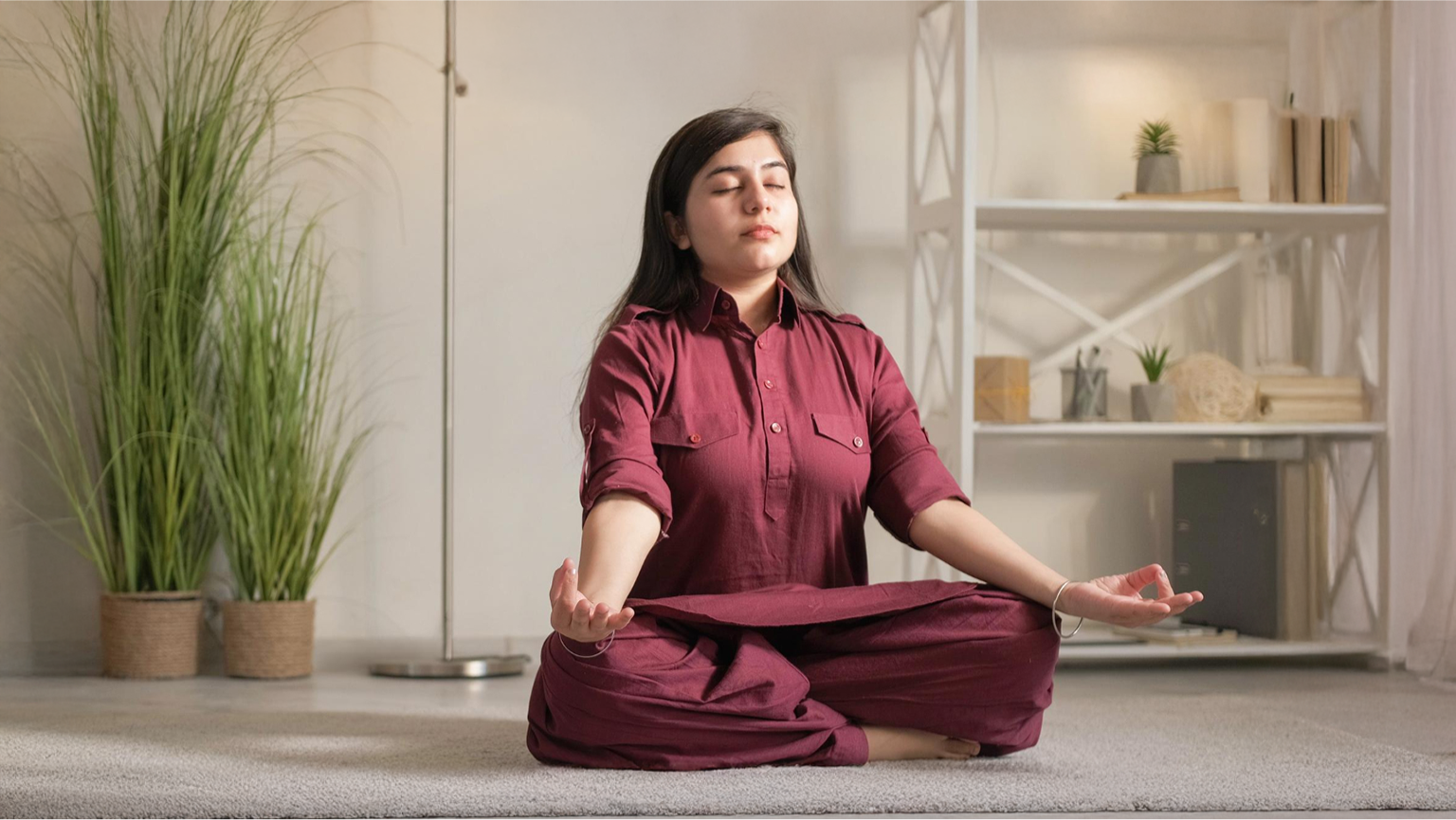
I've worked with women who were told they'd need lifelong medication. While yoga isn’t a replacement, here’s what they’ve experienced:
One student, Meera, once told me: “Yoga didn’t fix everything overnight. But it gave me my power back. It helped me stop fearing my body.”
Thyroid imbalances can make you feel like a stranger in your own body. But yoga offers a way home. Through breath, movement, and awareness, you can reconnect to your energy, your confidence, and your calm.
“Yoga helped me fall in love with my body again—and that love became my medicine.” — Radhika Bargava

Join my personalized yoga programs at Trimuk Yoga, designed specifically for hormonal health and emotional well-being. Let’s walk this journey together.
🌿 Join the program at Trimuk Yoga. Your healing starts here.
1. Can yoga cure thyroid problems?
Not exactly—but it’s a powerful support tool that helps regulate stress and hormone balance.
2. What poses should I avoid?
Extreme backbends or overexertion—always listen to your body.
3. Is it safe to practice yoga with medication?
Yes. Always consult your doctor, but yoga complements medical care well.
4. Can I do yoga if I’m tired all the time?
Yes! Start with breathwork and restorative poses. Energy builds gradually.
5. Is there a best time to practice for thyroid health?
Morning is great for energizing; evening for calming. Choose what suits your rhythm.

Yoga Trainer
A renowned and qualified yoga instructor with years of experience in teaching traditional Hatha Flow and Ashtanga Vinyasa Yoga, Radhika is passionate about sharing the true essence of yoga with her students. Being a certified yoga teacher and health & nutrition coach, Radhika demonstrates a deep understanding of mind-body connection which is reflected in her tailored classes.
Get personalized care. Consult specialists about your concerns and treatments.

Harness the Power of Yoga to Cultivate Calm, Clarity & Emotional Strength
Radhika Bargava
Apr 16, 2025
5 min read

Unlock the Power of Your Hands for Vision and Clarity
Radhika Bargava
Jun 18, 2025
5 min read

Heal Bloating, Fatigue & Hormones by Fixing Your Gut—Naturally
Radhika Bargava
Jul 23, 2025
6 min read
Cut the Confusion. Feel the Shift. Choose What Works. Fast.
Radhika Bargava
May 21, 2025
5 min read
Break Free from Chronic Stress with Yoga for Calm and Balance
Radhika Bargava
Aug 20, 2025
6 min read

Lower Cholesterol & Balance Blood Sugar Naturally with Yoga
Radhika Bargava
Oct 15, 2025
3 min read

Unlock Nature's Power to Balance Hormones and Boost Wellness
Radhika Bargava
Jun 23, 2025
7 min read

Safe, Evidence-Based Yoga for Thyroid Balance & Women’s Hormonal Health
Radhika Bargava
Nov 07, 2025
3 min read

Natural Hair & Skin Glow Starts With Yoga—Not Expensive Products
Radhika Bargava
Jul 16, 2025
1200 min read

A Fast, Effective Yoga Routine to Boost Heart Function, Reduce Blood Pressure & Reclaim Your Calm in Just 20 Minutes a Day
Radhika Bargava
Jun 25, 2025
5 min read