Polycystic Ovary Syndrome (PCOD) is a common hormonal disorder affecting women worldwide. It is often associated with symptoms such as irregular menstrual cycles, insulin resistance, weight gain, and hormonal imbalances. While medical interventions play a role in managing PCOD, a well-balanced diet and yoga practice can significantly improve symptoms, helping women regain control over their health.
This 7-day PCOD diet plan focuses on wholesome Indian foods tailored to support weight loss, hormonal balance, and improved metabolic function. It incorporates traditional Ayurvedic principles, nutrient-dense ingredients, and lifestyle changes to offer a natural and sustainable way to manage PCOD.
Understanding the Role of Diet in PCOD Management
A PCOD diet plan should emphasize:
- Low Glycemic Index (GI) Foods: Stabilize blood sugar levels and improve insulin sensitivity.
- High Fiber Intake: Supports digestion, regulates blood sugar, and reduces insulin resistance.
- Healthy Fats: Omega-3-rich foods help reduce inflammation and promote hormonal balance.
- Lean Proteins: Maintain muscle mass and support weight loss.
- Anti-Inflammatory Foods: Reduce oxidative stress and promote healing.
- Balanced Meal Timing: Prevents sudden spikes in blood sugar levels.
This PCOD and thyroid-friendly Indian diet plan incorporates these principles, offering a sustainable, practical, and culturally relevant approach to health and well-being.
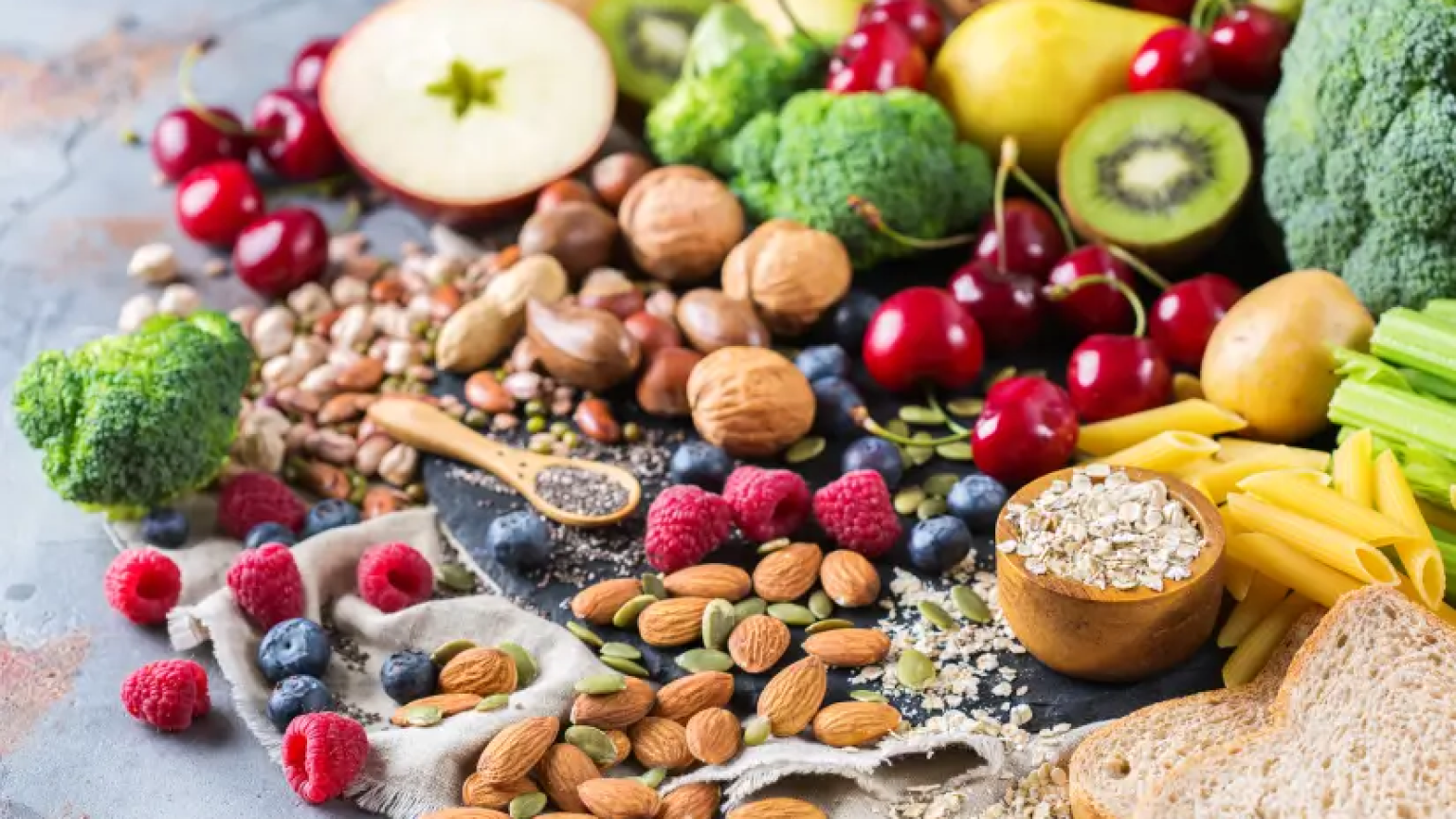
7-Day PCOD Diet Plan (Indian)
This meal plan is designed for women struggling with PCOD, incorporating easy-to-make, nourishing meals that balance hormones naturally.
Timings
- Detox juice: 8AM
- Breakfast: 10AM
- Lunch: 1 PM
- Mid meal: 4PM
- Dinner: 6PM
Day 1
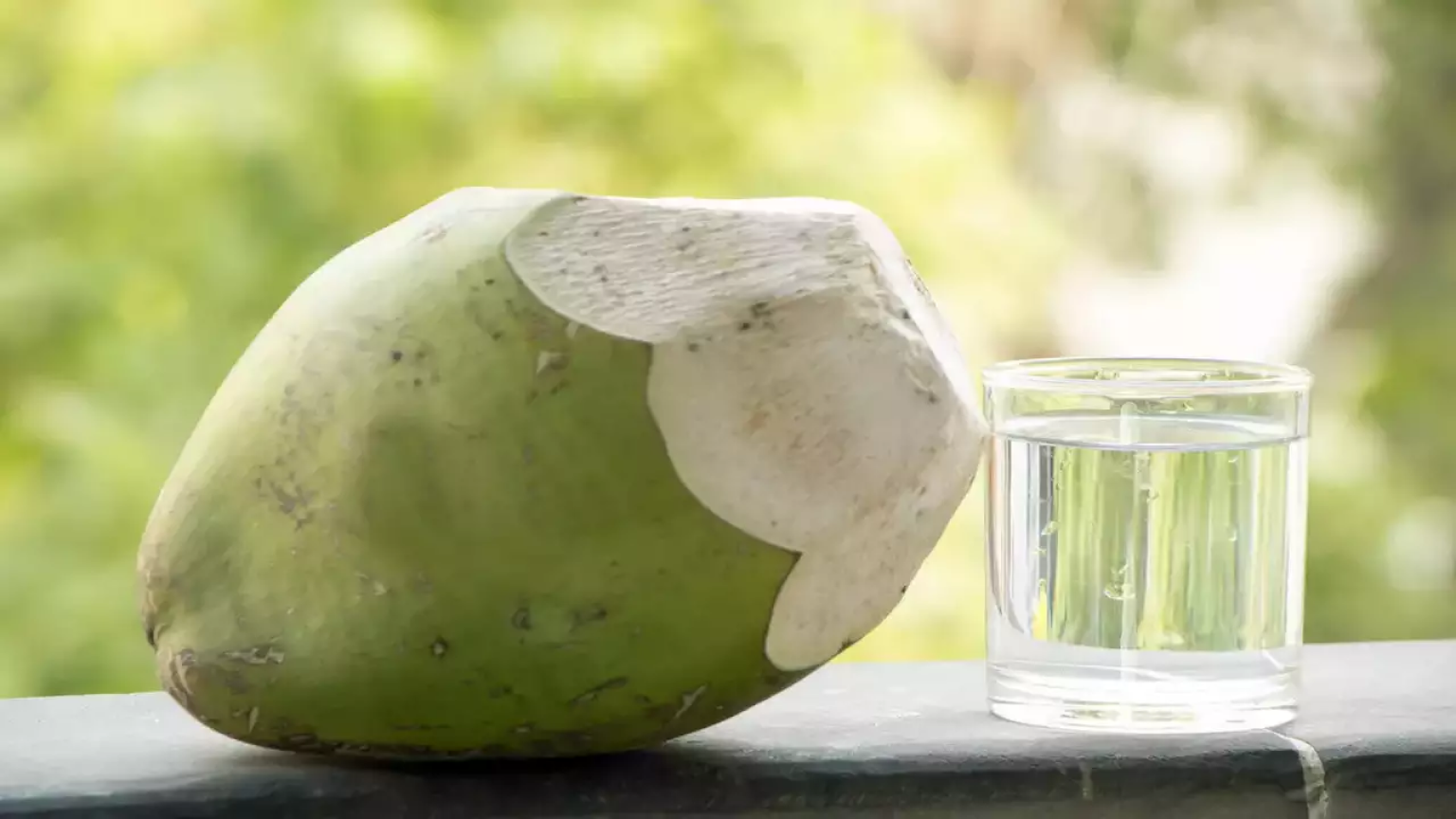
- Detox juice: Ash gourd Juice or Coconut Water
- Breakfast: Fruits & Soaked Nuts or Smoothie
- Lunch: Dal and a mixed vegetable sabzi with roti
- Mid meal: Coconut water or Fresh fruits
- Dinner: Lots of veggies, roti or Soups
Day 2
- Detox juice: Green juice like Spinach, Cucumber
- Breakfast: Poha
- Lunch: Rajma, a mixed vegetable sabzi with roti
- Mid meal: Fruits & Soaked Nuts
- Dinner: 3-4 Idlis with green chutney

Day 3
- Detox juice: Ash gourd Juice or Coconut Water or Bottlegourd Juice
- Breakfast: Moong dal chilla with mint chutney
- Lunch: Chana masala with roti and a bowl of salad
- Mid meal: Fruits & Soaked Nuts
- Dinner: Vegetable upma with coconut chutney
Day 4
- Detox juice: Green juice like Spinach, Cucumber
- Breakfast: Daliya (broken wheat porridge) with nuts and jaggery
- Lunch: Mixed lentil dal with bhindi sabzi and rice
- Mid meal: Carrot sticks with homemade hummus
- Dinner: Khichdi with papad
Day 5
- Detox juice: Ash gourd Juice or Coconut Water
- Breakfast: Sprouted moong salad with lemon juice
- Lunch: Dal and a mixed vegetable sabzi with roti
- Mid meal: Handful of walnuts and dates
- Dinner: Lots of veggies, roti or Soups
Day 6
- Detox juice: Ash gourd Juice or Coconut Water or Bottlegourd Juice
- Breakfast: Besan chilla
- Lunch: Chana masala with roti and a bowl of salad
- Mid meal: Roasted peanuts and a seasonal fruit
- Dinner:Light vegetable soup

Day 7
- Detox juice: Green juice like Spinach, Cucumber
- Breakfast: Sprouted moong salad with lemon juice
- Lunch: Rajma, a mixed vegetable sabzi with roti
- Mid meal: Coconut water or Fresh fruits
- Dinner: 3-4 Idlis with green chutney
Role of Yoga in PCOD Management
Alongside a PCOD diet plan, practicing yoga helps regulate hormones, improve insulin sensitivity, and reduce stress, which is crucial in managing PCOD symptoms.
Yoga Poses for PCOD Relief
- Baddha Konasana (Butterfly Pose): Stimulates the ovaries and enhances blood circulation.
- Bhujangasana (Cobra Pose): Improves digestion and reduces belly fat.
- Dhanurasana (Bow Pose): Helps in weight loss and strengthens abdominal organs.
- Naukasana (Boat Pose): Engages the core and improves metabolism.
- Surya Namaskar (Sun Salutation): A full-body workout that aids in hormone regulation.

Benefits of a Holistic Approach
- Weight Management: Aids in natural weight loss through mindful eating and physical activity.
- Hormonal Balance: Regulates insulin levels and supports overall endocrine health.
- Mental Well-being: Reduces stress and anxiety, common triggers of PCOD.
- Long-term Sustainability: Encourages a healthier lifestyle beyond just diet.
A Sustainable Approach to PCOD Management
Managing PCOD is a holistic journey that requires the right balance of nutrition, movement, and mindfulness. By adopting this PCOD Indian diet, incorporating yoga, and making sustainable lifestyle changes, women can take charge of their health naturally.
For personalized yoga sessions tailored to PCOD and hormonal balance, explore Trimuk Yoga's expert-led classes by Radhika Bargava. Let’s empower our bodies with the right food, movement, and mindset for a healthier and balanced life.